A clinic brand
A practice name that sounds like the doctor, not a street address.
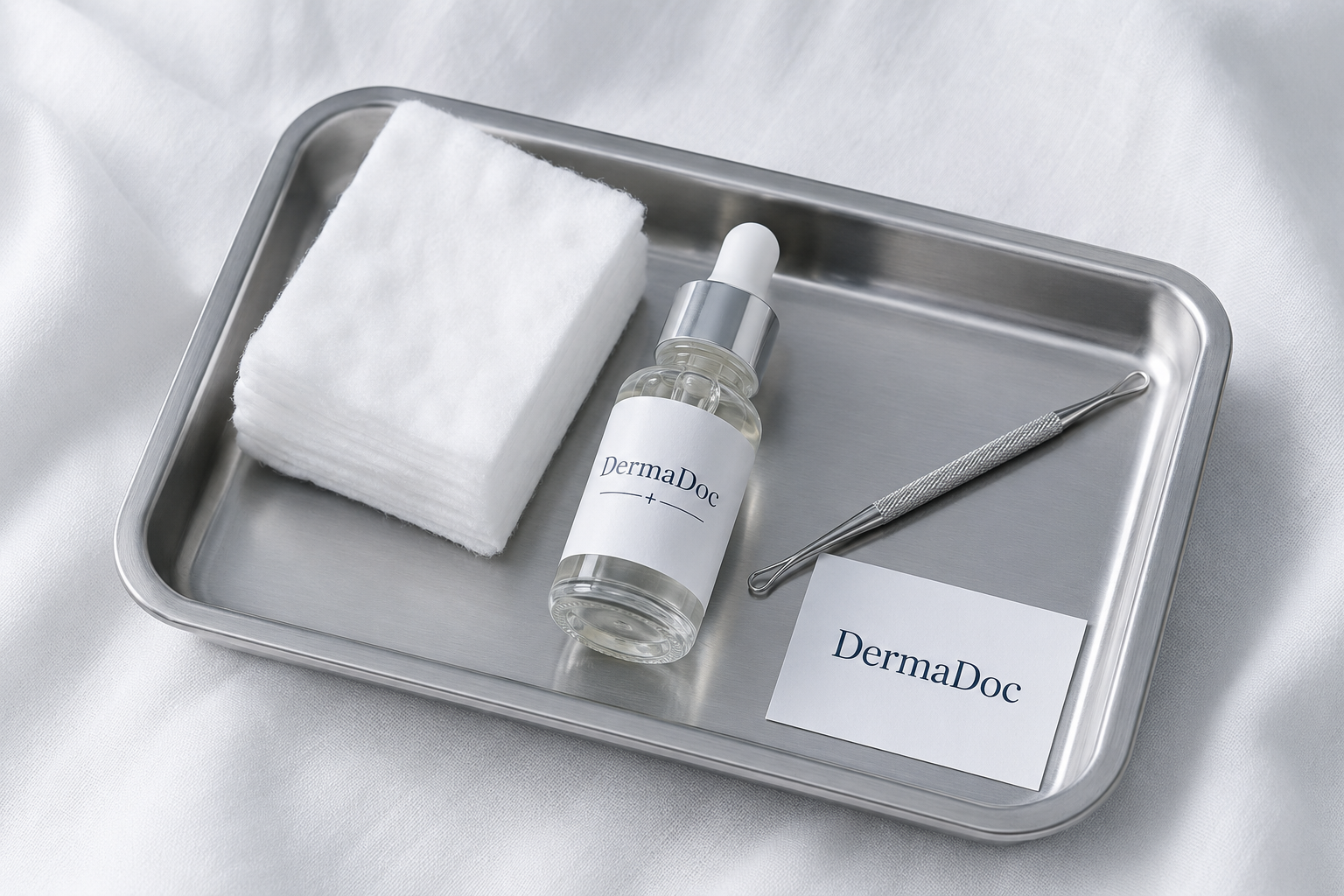
A clinic name has to work in places a mood board never sees. A patient hears it through a bad phone connection, types it into a map while running late, repeats it to a partner, and finds it months later on an insurance statement. DermaDoc passes that practical test. It sounds like skin care delivered by a person, not a property development or a vague wellness studio. For a dermatologist opening a first independent practice, or a small group replacing an inherited name, that clarity is a valuable starting asset.
Build a practice patients can name
Many medical practices are branded around surnames, streets, or broad regional labels. Those choices can be accurate and still create friction. A surname may change when a partner leaves. A street can become misleading after a move. A regional label rarely gives a patient anything distinctive to remember. DermaDoc makes the category visible while leaving room for the clinicians, neighborhood, and care philosophy to be introduced underneath. The name can lead, while professional credentials remain prominent and specific.
The buyer pitch is not that a good domain replaces clinical reputation. It is that one memorable public name gives reputation a stable place to accumulate. Referrals become easier to complete when the spoken name and web address match. Signage, appointment cards, local search listings, patient forms, and follow-up messages can all point to DermaDoc.com without spelling instructions. Every small reduction in confusion matters in a practice that depends on repeat visits and recommendations.
Choose the clinic before choosing the decor
The strongest version starts with a defined patient and service mix. It might be a general dermatology practice known for calm, plain-language consultations. It might be a focused clinic for acne, inflammatory conditions, or surveillance. The decision should come from credentials, local demand, payer strategy, and operational capacity. DermaDoc is broad enough to support any of those positions, but the site must state the selected one quickly. “Skin care for busy families in north Phoenix” is more useful than a page full of polished adjectives.
That decision shapes the physical and digital experience. A procedure-led clinic needs clear preparation and aftercare information. A family practice needs scheduling that accounts for guardians and dependents. A high-touch private-pay model must explain what the fee includes. The brand should make those mechanics feel coherent, not hide them. The American Medical Association practice resources offer useful material for thinking about practice operations, payment, technology, and patient access before a designer begins translating the plan into screens.
Make trust visible at the decision point
A prospective patient usually arrives with a short list of questions. Is this the right kind of clinician? Does the clinic handle my concern? Can I use my insurance or understand the fee? How soon can I be seen? Where is the office? A DermaDoc clinic site should answer those questions close to the booking action. Licensure, board certification, hospital affiliations, and named clinicians need factual presentation. Stock claims about excellence add little when direct evidence is available.
Photography should document the real practice: entrance, reception area, consultation room, equipment, and team. The copy should identify what happens during a first visit and what information the patient should bring. Educational pages can explain common conditions without diagnosing a reader. The American Academy of Dermatology public guidance is a sound model for patient-facing information and a useful source to cite where appropriate. Clear editorial boundaries help the clinic sound responsible rather than promotional.
Turn the name into an operating system
DermaDoc should appear consistently across every patient contact. The booking confirmation, reminder text, telephone greeting, intake packet, portal instructions, invoice, and aftercare sheet should use the same name and tone. A patient who moves between those touchpoints should never wonder whether a third-party portal belongs to the clinic. Where another vendor must appear, the clinic can explain the handoff in one sentence and show what the patient should expect next.
The brand architecture can stay simple. DermaDoc is the practice. Service lines use descriptive labels such as Medical Dermatology, Acne Visits, Skin Checks, or Procedures. Clinician names sit beneath the practice identity instead of becoming competing sub-brands. If a second location opens, locations are named by town or neighborhood. This approach keeps navigation legible and prevents the clinic from paying to introduce a fresh coined name every time it adds a service.
A credible opening sequence
Before launch, the buyer should test the name in real speech. Ask staff to answer the phone with it. Put it on a temporary door sign and a small appointment card. Read a referral sentence aloud. Check that patients can distinguish the practice from similarly named local providers and that counsel approves the intended use. Then secure consistent listings, document the correct address and hours, and build a focused site around the initial appointment types.
The first site does not need a large condition library. It needs accurate clinician pages, an intelligible service list, location and access details, financial expectations, privacy information, and a working path to request care. Add educational material in response to recurring patient questions. That sequence gives every new page a job and reduces the risk of publishing thin material merely to make the site look established.
For the right physician-owner, DermaDoc.com offers something rarer than a decorative brand concept: a name that can survive an ordinary Tuesday at a busy practice. It is short on a reminder screen, clear in a referral, and broad enough for the clinic to mature. Paired with a disciplined service model and visible standards, it can help an independent practice feel settled from its first day while keeping the focus where it belongs, on competent care and a patient who knows what happens next.