Sunscreen for face
How to choose and apply facial sunscreen so daily sun protection becomes a habit, not a beach-only step.
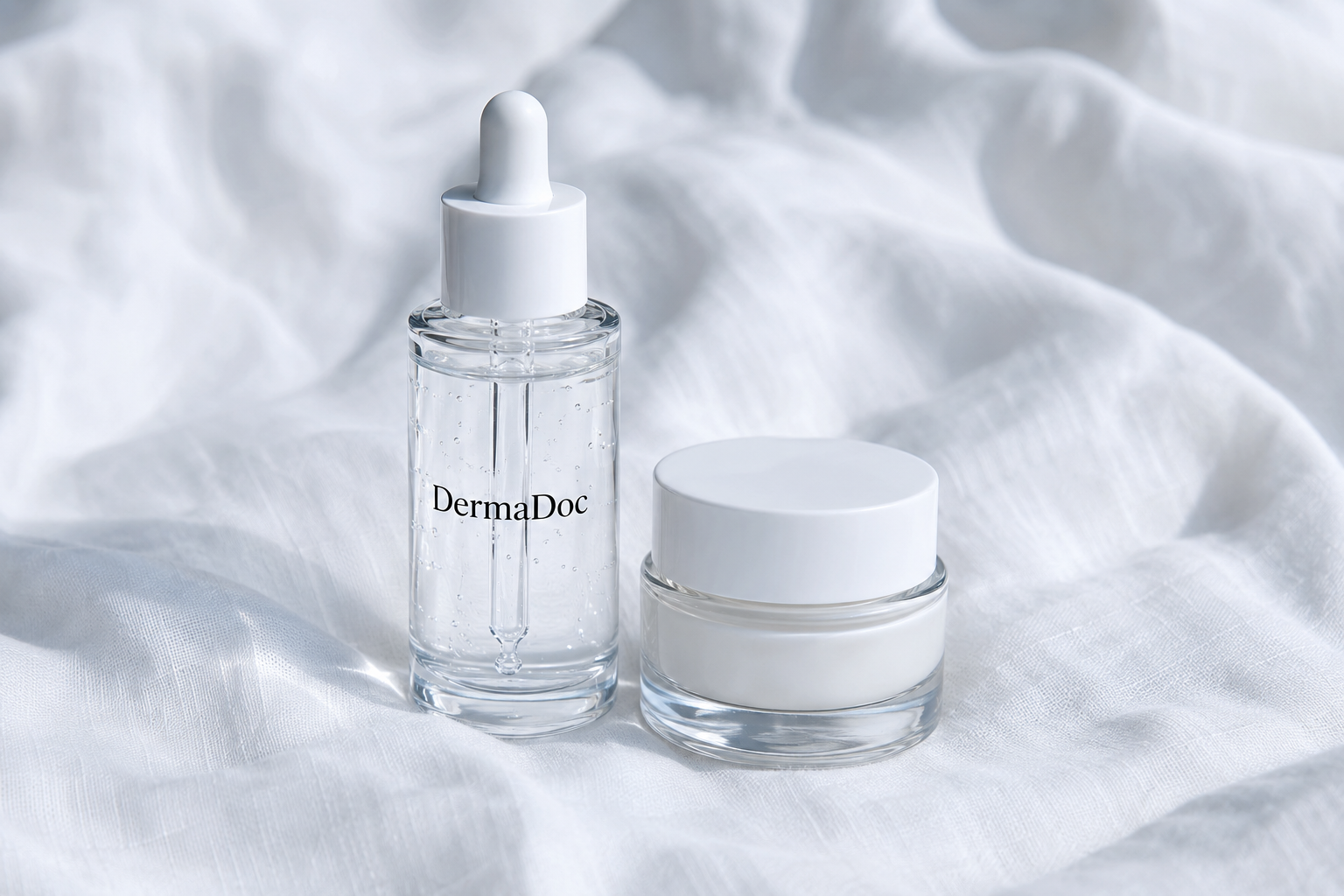
Facial sunscreen is the step people skip because it feels like extra work for a day that will be spent mostly indoors. I am a father of a preschool-age son. When we go outside, I put sunscreen on my own face first so the habit is visible. The face takes daily ultraviolet light through windows, errands, and short walks. A beach bottle in a closet does not cover those hours.
Why the face needs its own habit
The face, ears, and neck are common places for sunburn and for later sun damage. A hat helps. Shade helps. Clothing helps. Sunscreen is the layer for the skin that remains exposed. The American Academy of Dermatology page on how to apply sunscreen is the public standard I send people to first. It is clearer than a store shelf.
In the northern New Jersey suburbs, a weekend can look ordinary and still add up: a driveway, a sidewalk, a late afternoon on a stoop. Those are not vacation scenes, and they are still sun. I stopped treating facial sunscreen as a beach-only item when I noticed how many of those short outdoor stretches happen on workdays.
The CDC page on sun safety puts sunscreen beside shade, clothing, and time of day. That is the right frame. A bottle cannot replace a hat on a bald scalp or a shirt on shoulders. On the face, though, most people need a product they will actually use every morning.
How to choose a face sunscreen
Look for broad spectrum and SPF 30 or higher. Broad spectrum means the product is labeled to cover UVA and UVB. The FDA consumer page on sunscreen explains those terms in plain language. Water resistance is a time claim for swimming or sweating, not a promise that you can skip a reapply.
Mineral formulas use zinc oxide or titanium dioxide. Chemical filters absorb UV and then release it as heat. Either can be fine. People with sting-prone or easily reddened skin often start with a mineral cream. People who hate a white cast may prefer a fluid or a tinted mineral. The best face sunscreen is the one you will put on before you leave the bathroom.
Fragrance, alcohol, and heavy essential-oil blends are common reasons a face product burns. If you wear makeup, pick a sunscreen that can sit under it without pilling, or use a tinted sunscreen as the last morning step. Do not mix leftover beach spray into a face routine to save a trip to the store. Face skin is easier to irritate, and spray can miss spots around the eyes and hairline.
The AAD guide to selecting sunscreen is a good second read when a label feels noisy. Ignore “sunblock,” “waterproof,” and SPF numbers that treat 100 as ten times 10. SPF is not a time multiplier you can spend. It is a laboratory measure under specific test conditions.
How much, when, and where
Use enough. For the face and neck, a nickel-to-quarter amount is a common household picture. Include the ears, the hairline, the eyelids if the product is made for that, and the lips with a labeled lip product. Apply as the last skin-care step, about fifteen minutes before you go out if the label says so. Then reapply at least every two hours outdoors, and after swimming or heavy sweat.
Windows do not make the habit optional. UVA passes through ordinary glass. A desk that faces a bright window still leaves the cheek and the side of the neck exposed. That is one reason a morning apply is useful even on days that look indoor. Sunglasses and a hat still do work the cream cannot do.
If you use a retinoid, an acid, or a prescription fading cream, daily facial sunscreen is part of that plan, not an extra. Those products can make the skin more sun-sensitive. Skipping the cream then blaming the treatment is a common household loop.
Keep the habit boring
Store the tube next to the toothbrush. That single placement change does more than a seasonal reminder. Keep a second stick in a bag for the preschool pickup walk or a late errand. Check the expiration date. A dried-out bottle from two summers ago is not a plan.
The American Cancer Society page on UV protection is another clear public reference if you want the wider picture of clothing, shade, and peak hours. This article is not medical advice for a mole, a burn, or a drug that reacts with sun. It is a face-level routine: broad spectrum, SPF 30 or higher, enough product, morning use, and a reapply when the day is actually outside.
People delay facial sunscreen because they are waiting for a perfect texture. Start with a tolerable cream and stay with it for a month. If it pills, stings, or leaves a cast you will not accept, change one variable. Do not abandon the habit while you shop. The face does not need a rare filter. It needs a product that is present on the days that do not look like sun days.