How to treat eczema
What families can do at home for dry, itchy eczema-prone skin, and when a flare needs medical care.
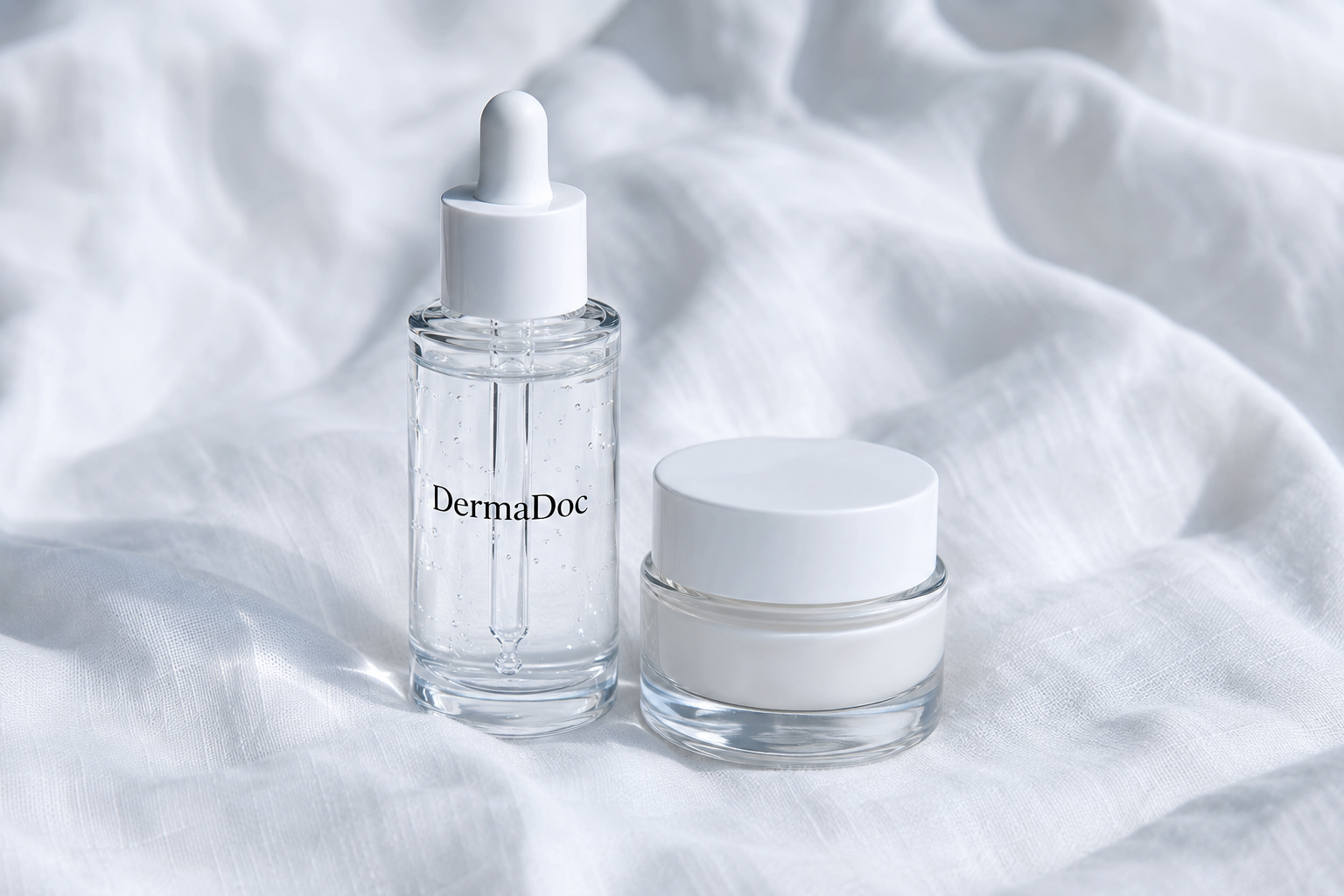
Eczema is a word families use for skin that is dry, itchy, and easy to inflame. Clinicians often mean atopic dermatitis, though other rashes can look similar. The household job is not to name the rash from a photo. It is to keep the barrier calm, reduce the itch, and know when a flare needs a medical look. My wife is at home during the day, so we notice the same things: a new laundry scent, a tight shirt collar, a patch that is worse after a long hot shower.
Start with the barrier, not a stack of treatments
Eczema-prone skin loses water and lets irritants in. Fragrance, wool, sweat, dry air, and long hot water are common household triggers. So is under-moisturizing. The first useful plan is boring on purpose: short warm baths or showers, a gentle cleanser, and a thick fragrance-free cream or ointment put on while the skin is still damp.
The American Academy of Dermatology page on atopic dermatitis is a clear public starting point. It separates daily care from prescription treatment. That split matters. A moisturizer can support the barrier every day. It cannot replace an anti-inflammatory medicine when a flare is already open and hot.
I treat household products with the same caution I use for food. If a label is a long perfume list, it does not come in. That is the same instinct as preferring simpler, organic or non-GMO groceries: fewer extras, fewer surprises. I am not naming a cream we bought. I am naming the filter we use before anything new sits in the cabinet.
The National Eczema Association overview is useful for families who need language for school forms, laundry, and flare patterns. Read it as education, not as a substitute for a clinician who can see the skin.
What home care can do during a mild flare
Keep nails short. Use a cool compress on a hot patch. Moisturize more often, not less. Choose cotton next to the skin. Wash new clothes before wearing them. Skip fabric softener and heavy scent beads if those are already suspects. After a bath, seal water in with ointment on the worst areas and cream on the rest.
Over-the-counter hydrocortisone can help a small, short flare on the body if the label fits the person and the site. Faces, eyelids, groins, and children need specific advice. Do not use leftover prescription steroid from another person or another year. Strength, site, and duration matter.
The NIAMS atopic dermatitis page explains that this is often a long-term condition with quiet stretches and flares. That is why a daily barrier routine still matters when the skin looks fine. Stopping all care the first clear week is a common way to meet the next flare sooner.
If itch wrecks sleep, the problem is no longer cosmetic. A person who cannot stop scratching needs a plan from a clinician, not a new bath oil. Infection can follow open skin: honey-colored crust, spreading redness, fever, or sudden pain are reasons to get help the same day.
What belongs to a clinician
See a clinician if the rash is new and you are not sure it is eczema, if it covers a large area, if the face or eyelids are involved, if a baby is affected, or if home care fails after a short, careful trial. A clinician can confirm the diagnosis, look for infection or contact allergy, and prescribe a medicine that matches the site.
The Mayo Clinic treatment page for atopic dermatitis outlines moisturizers, topical medicines, phototherapy, and other options. Those decisions are medical. This article will not pick a steroid class or a brand. It will say that a written plan beats a cabinet of half-used tubes.
Ask what to put on, where, how often, and when to stop. Ask what to do if the patch returns. Write it down. Eczema care fails in the gap between the visit and the Tuesday night when someone cannot remember whether the tube was for the face.
Keep the household plan short
A useful home card has four lines: how we wash, what we put on damp skin, what we avoid, and when we call. That is enough for a spouse, a sitter, or a tired parent at 9 p.m. Extra steps can wait. Bleach baths, wet wraps, and prescription routines belong in a plan a clinician has actually set, not in a late-night search.
This is not a diagnosis and not a promise that eczema will leave. It is a household sequence that keeps the barrier from being the first thing to fail: gentler water, fewer scented extras, thick moisturizer on damp skin, and a low threshold for medical care when itch, sleep, or broken skin get ahead of the cream. If the rash does not match last month’s rash, start over with a person who can look.